
Watchman Implant in Los Angeles
A one-time implant that closes off the pouch where most AFib clots form, for people who need an alternative to long-term blood thinners.

Why people choose a Watchman implant
Lowering AFib stroke risk
Trouble with long-term blood thinners
History of serious bleeding
Falls or an active lifestyle
If blood thinners are a poor long-term fit for you, closing the left atrial appendage may offer another way to manage stroke risk.
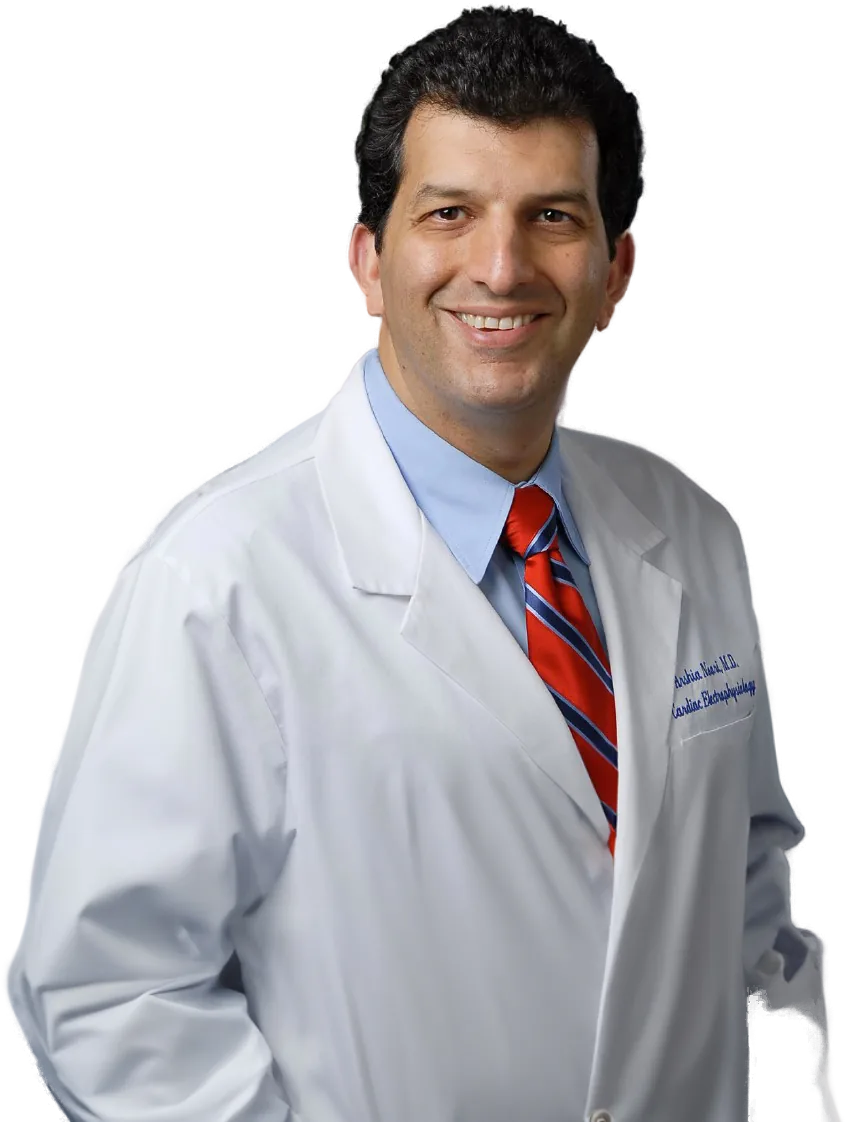
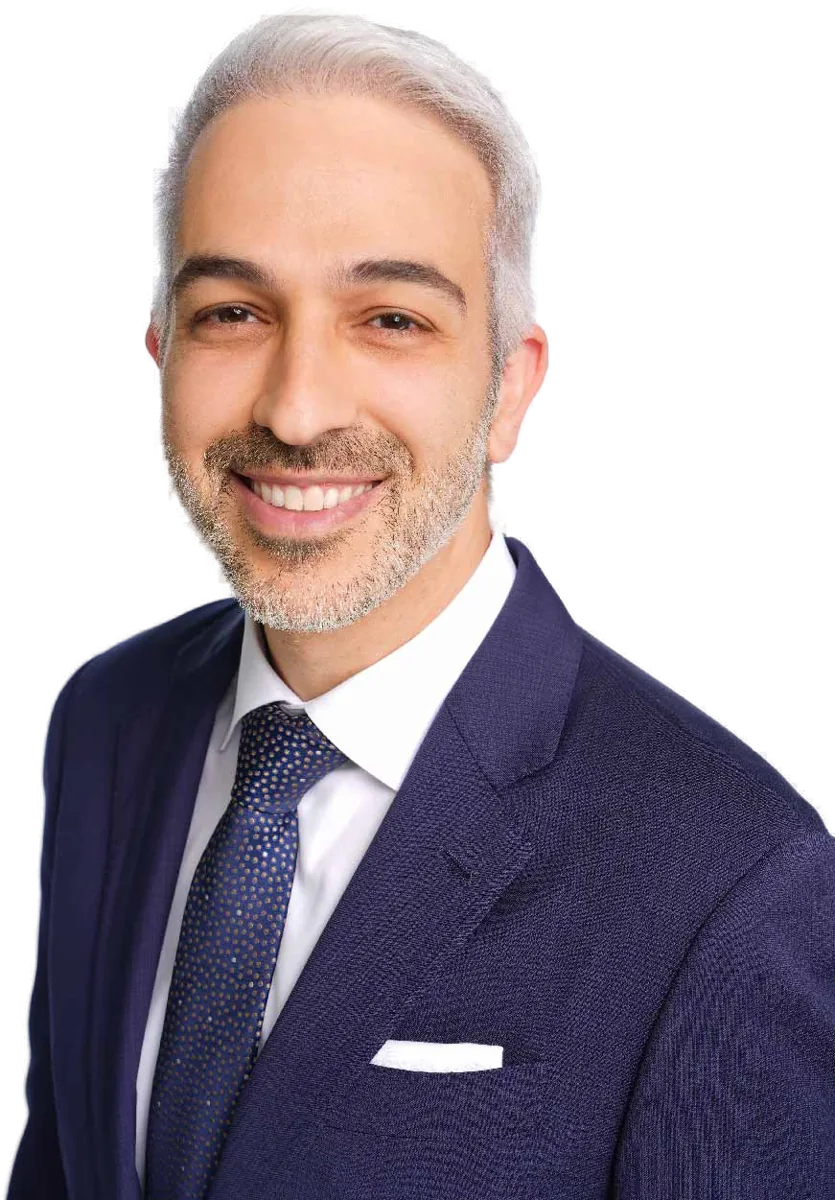
Your stroke prevention plan, led by one physician
Your electrophysiologist weighs your stroke and bleeding risks with you, performs the implant if it fits and oversees every follow-up scan and medicine change afterward.
- Fellowship-trained in cardiac electrophysiology
- Honest comparison with blood thinners
- Imaging and medicine follow-up with the same physician
How a Watchman implant works
Weighing stroke and bleeding risk
We review your AFib, stroke risk, bleeding history and why blood thinners are a concern.
Imaging the appendage
Ultrasound or CT imaging measures the pouch so the device fits closely.
Placing the device
A catheter from a leg vein guides a small, umbrella-like device into the appendage opening.
Healing and follow-up
Heart tissue grows over the device while follow-up scans check the seal.
A Watchman implant may be a good fit if
- You have AFib not caused by valve disease
- Your stroke risk calls for blood thinners
- Long-term blood thinners are unsafe or unsuitable
Other options we’ll discuss
Understanding the Watchman implant
Why AFib raises stroke risk
In atrial fibrillation, the upper chambers quiver instead of squeezing firmly. Blood can pool and move slowly, especially in a small pouch off the left atrium called the left atrial appendage.
In people whose AFib is not caused by heart valve disease, most stroke-causing clots are thought to form in that pouch. If a clot breaks loose, it can travel to the brain. Our guide on AFib and stroke risk explains how that risk is estimated.
What a Watchman device does
Watchman is a brand of left atrial appendage closure device. It is a small, flexible frame covered with a fabric mesh, shaped a little like an umbrella. Placed at the opening of the appendage, it seals the pouch off from the rest of the heart.
Over the following weeks, a thin layer of the heart’s own tissue grows over the device. Once that seal is complete, clots that form in the appendage are much less able to escape into the bloodstream.
Who it is designed for
Left atrial appendage closure is meant for people with non-valvular AFib whose stroke risk is high enough to need a blood thinner, but who have a good reason to look for an alternative over the long term. Common reasons include a past serious bleed, a high risk of bleeding, frequent falls or a job or lifestyle that makes bleeding more dangerous.
You usually need to be able to take blood thinners for a short time after the implant. This lets the device heal in safely. If that short course is not possible, your physician will talk through other choices.
Your physician also looks at the size and shape of your appendage on imaging, your kidney function and your other health conditions. Choosing a Watchman is a shared decision, and you are welcome to bring family members to the visit where it is discussed.
What it does not do
A Watchman implant reduces stroke risk from the left atrial appendage. It does not stop AFib itself, so you may still feel palpitations or tiredness during episodes. If your symptoms bother you, rhythm treatments such as medicine or AFib ablation may still be part of your plan.
It also does not replace other heart care. Blood pressure, diabetes, sleep apnea and other conditions still matter for stroke prevention. Our guide on AFib and sleep apnea explains one of these links. Your physician will keep working with your general cardiologist and primary care doctor on these parts of your health.
The procedure and hospital stay
The implant is done under general anesthesia or deep sedation. A catheter enters a vein at the top of the leg and crosses a thin wall inside the heart to reach the left atrium. Ultrasound imaging from the esophagus or from inside the heart guides placement and confirms a good fit before the device is released.
Many people stay in hospital one night. Afterward you may notice some throat soreness if an ultrasound probe was used, along with bruising at the leg site.
Medicines and scans afterward
For a period after the implant you will take a blood thinner, an antiplatelet medicine or a combination, depending on your situation. Follow-up imaging, often at around a month and a half and again later, checks that the device has sealed well and that no clot has formed on its surface.
Once your physician is satisfied with the seal, your blood thinner may be stopped, and many people continue a daily aspirin. Never stop or change these medicines on your own. Talk to your physician before changing any medicine.
Risks
Left atrial appendage closure is an established procedure, but it has risks. These include bleeding at the leg site, fluid around the heart, the device moving out of place and clot forming on the device. Rarely, a stroke can occur during or after the procedure. Your physician compares these risks with the risks of staying on a blood thinner before you decide.
Questions about the Watchman implant
Will I be able to stop my blood thinner?
Many people can stop their blood thinner once follow-up imaging shows the device has sealed well. Most still take an antiplatelet medicine, such as aspirin, as directed by their physician. The timing is decided by your care team, never on your own.
Is a Watchman better than blood thinners?
Neither option is right for everyone. Blood thinners work well for many people, while a Watchman is designed for those who have strong reasons to avoid them long term. Our Watchman vs blood thinners guide compares the two.
Will I feel the device in my heart?
No. The device sits inside the heart and cannot be felt. You will receive an implant card to carry, which is helpful to show other doctors and dentists.
How long does recovery take?
Most people return to light activity within a few days. Avoid heavy lifting and strenuous exercise until your physician says it is safe. Follow-up visits and imaging continue over the following months.
What are signs of a problem after the implant?
Contact your care team about swelling, bleeding or growing pain at the leg site. Call 911 right away for stroke signs such as face drooping, arm weakness or trouble speaking, or for chest pain, fainting or severe shortness of breath.