
SVT Ablation in Los Angeles
A targeted catheter procedure for sudden bursts of racing heartbeat, planned and performed by the electrophysiologist who first explains your rhythm to you.
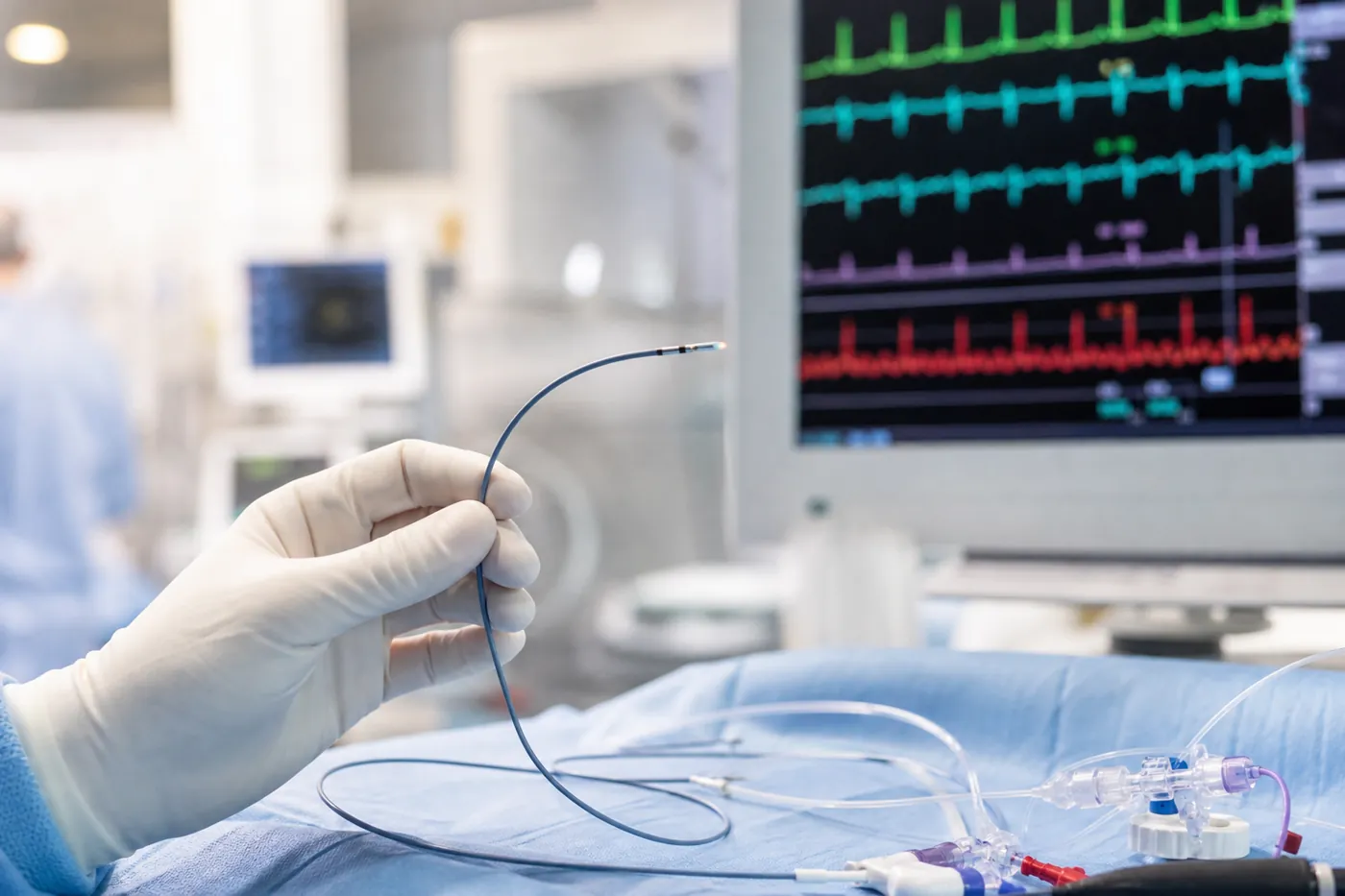
Why people choose SVT ablation
Sudden on and off racing
Pounding in chest or neck
Lightheaded during episodes
Episodes disrupting work or sleep
When episodes keep returning or medicines are hard to live with, ablation may treat the source directly.
The doctor who finds your pathway treats it
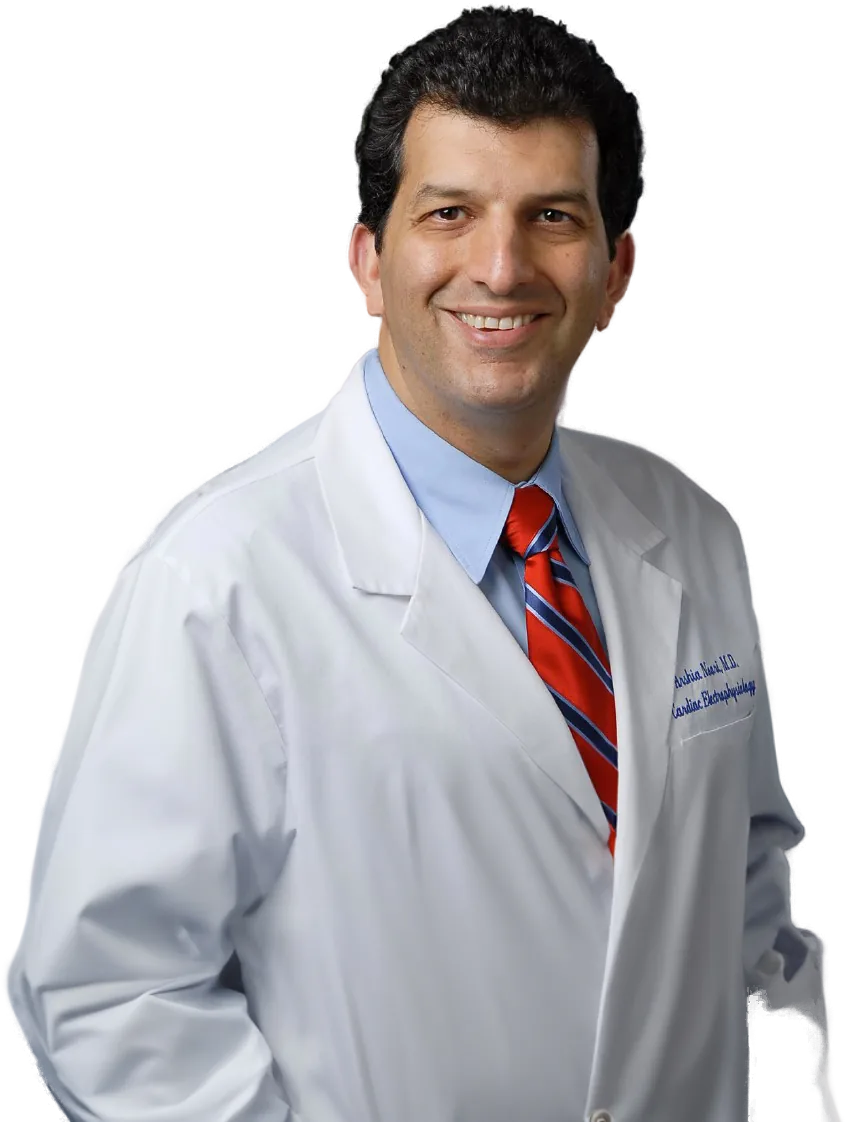
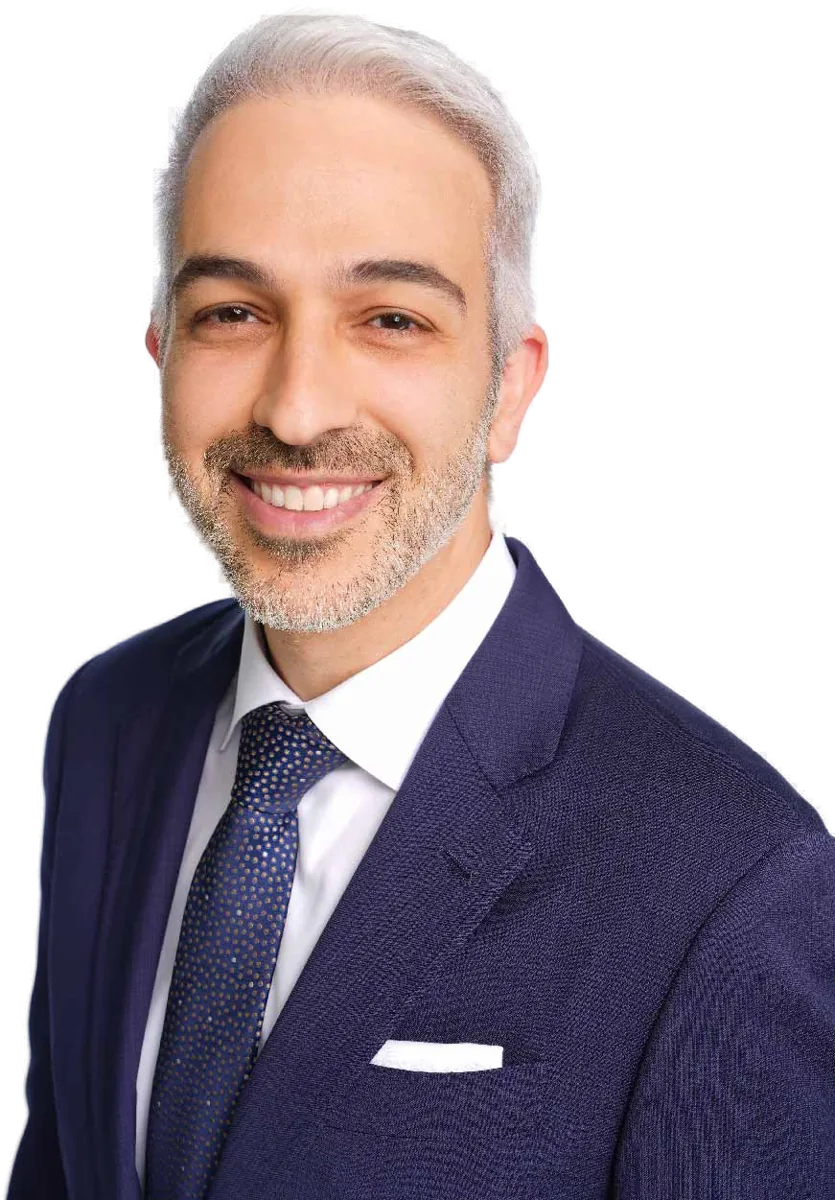
Your electrophysiologist reviews your recordings, performs the study that locates the extra circuit, and treats it in the same session. Follow-up stays with that same physician.
- Fellowship-trained in cardiac electrophysiology
- Unhurried visits to explain your episodes
- One physician from first visit to follow-up
How SVT ablation works
Reviewing your episodes
We look at ECGs, monitor strips and smartwatch tracings to understand your episodes.
Electrophysiology study
Catheters gently trigger the rhythm in a controlled way to show exactly where it starts.
Treating the extra pathway
Heat or cold energy is applied to the small area that keeps the circuit going.
Confirming and recovering
Your physician retests the heart, and most people go home the same day.
SVT ablation may be a good fit if
- Your episodes keep coming back
- Medicines cause side effects or do not help
- You want to avoid daily medicine long term
Other options we’ll discuss
Understanding SVT ablation
What SVT is
Supraventricular tachycardia (SVT) is a group of fast rhythms that start above the heart’s lower chambers. Episodes often switch on suddenly, run fast and steady, then stop just as suddenly.
Many people with SVT are otherwise healthy. Episodes can feel frightening, but most forms of SVT are not life-threatening. They can still wear you down, especially when they strike at work, during exercise or at night.
The common types
The most common type is AV nodal reentrant tachycardia (AVNRT). Here, two slightly different pathways inside or near the AV node, the heart’s relay station, let a signal loop back on itself.
Another type uses an extra connection between the upper and lower chambers, called an accessory pathway. When this pathway shows on a resting ECG, it is known as Wolff-Parkinson-White syndrome. A third type, atrial tachycardia, comes from a small spot in the upper chambers that fires too quickly.
Capturing your rhythm before the procedure
Because SVT comes and goes, a normal ECG in the office is common. The most useful clue is a recording made during an episode. That can come from an urgent care ECG, a wearable monitor or, in some cases, a smartwatch tracing you save and bring to your visit.
If episodes are rare, your physician may suggest a longer heart rhythm monitor. Write down when episodes start, how long they last and what stops them. These notes help your physician decide whether ablation is a sensible next step or whether watching and waiting is reasonable.
Some people choose ablation after only a few episodes because they want an answer without daily medicine. Others prefer to try medicine first. Both can be reasonable, and your physician will help you weigh them.
The EP study comes first
An SVT ablation begins with an electrophysiology study. Thin catheters are passed through a vein at the top of the leg and placed inside the heart to record its signals.
Your physician then uses tiny electrical pulses, and sometimes medicine, to start your rhythm under close control. Seeing the episode happen shows which type of SVT you have and where the circuit runs. That information decides where and whether to ablate.
How the ablation is done
Once the target is found, your electrophysiologist applies heat (radiofrequency) or cold (cryoablation) energy to a very small area. This breaks the circuit so the rhythm can no longer keep itself going.
Because some targets sit close to the heart’s normal wiring, your physician watches the signals closely throughout. Cold energy is sometimes chosen near the AV node because its effect can be tested before it becomes lasting. You are usually sedated, and many people are awake but drowsy.
Before and after
Your care team may ask you to pause certain rhythm medicines before the study so the SVT can be triggered. Only do this when your physician tells you to, and talk to them before changing any medicine.
Most people go home the same day. Rest for a day or two, and keep the leg puncture site clean and dry. Your physician will tell you when to return to driving, lifting and exercise.
A short follow-up visit checks the catheter site and reviews how you have felt since the procedure. Some people notice brief flutters or extra beats in the first few weeks while the treated area heals. Let your care team know if a sustained episode like your old SVT returns, so they can record it and decide on next steps.
Risks
SVT ablation is a well-established procedure. Bruising at the catheter site is the most common issue. A rare but important risk is damage to the heart’s normal conduction system, which could mean needing a pacemaker. Other rare risks include bleeding and injury to the heart or blood vessels. Your physician explains how these apply to your type of SVT.
Questions about SVT ablation
Will I be awake during SVT ablation?
Most people receive sedation and feel relaxed and drowsy. Deep sedation is sometimes avoided because it can make SVT harder to trigger during the study. Your care team keeps you comfortable and monitors you throughout.
Will SVT ablation stop my episodes for good?
For many people, ablation stops SVT episodes for the long term. No procedure can promise the rhythm will never return, and some people need a repeat procedure. Your physician will discuss what to expect for your type of SVT.
What if my SVT does not happen during the study?
Sometimes the rhythm is hard to start in the lab. Your physician may use medicine or different pacing patterns to bring it on. If the source still cannot be found, they will explain the findings and the options that remain.
Can I stop my heart medicine after ablation?
Some people no longer need SVT medicine after a successful ablation, but that decision belongs to your physician. Do not stop any medicine on your own. Your follow-up visit is the right time to review your list.
What should I do during an SVT episode before my procedure?
Your physician may teach you simple techniques, such as bearing down, that can sometimes stop an episode. Call 911 if an episode comes with chest pain, fainting or severe shortness of breath. Our guide on a racing heart at night has more tips.