
ICD (Defibrillator) in Los Angeles
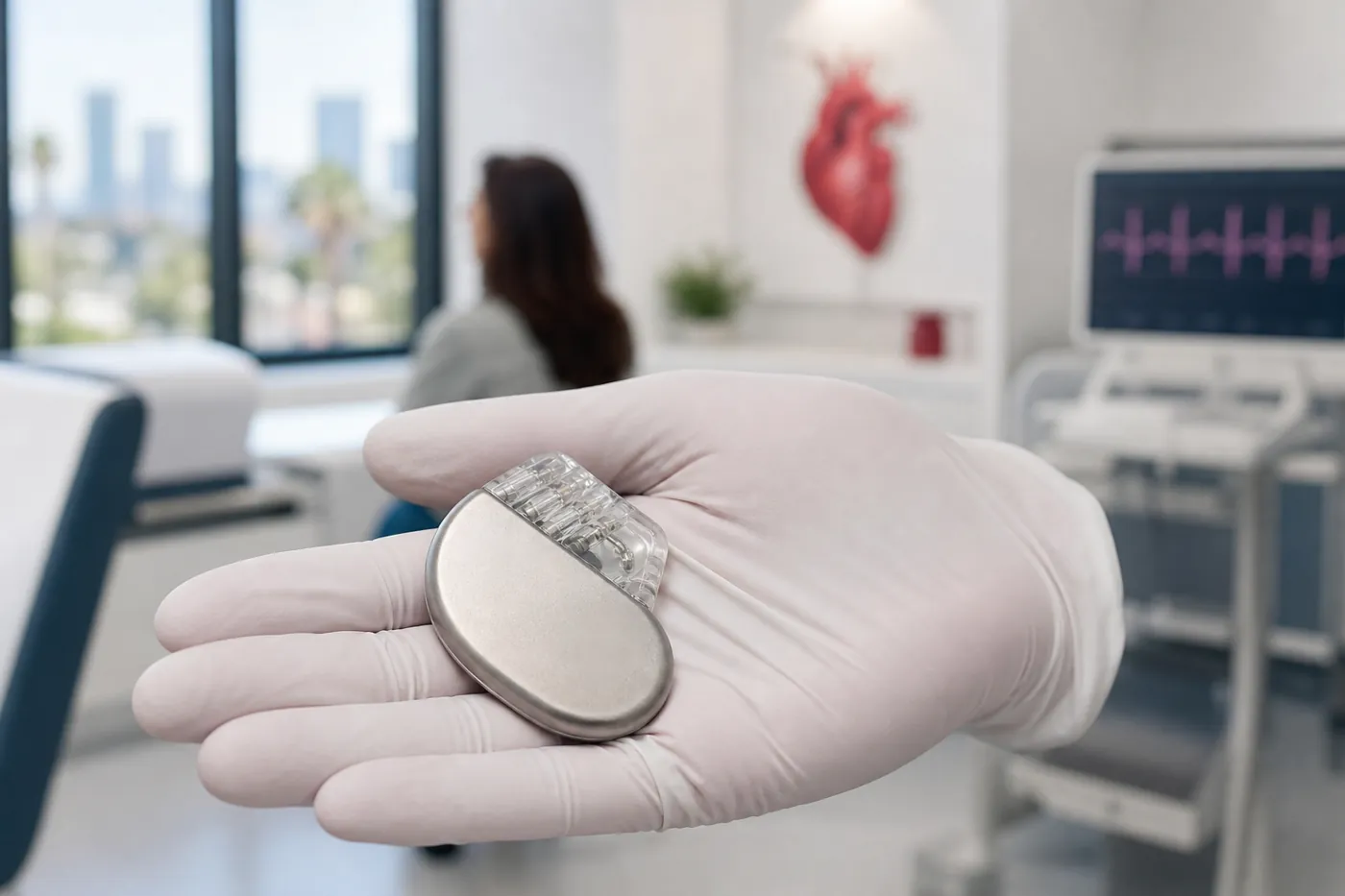
An implanted device that watches for dangerous fast rhythms and treats them, with your own electrophysiologist reviewing it at every check.
Why people choose an ICD
Protection from dangerous rhythms
A weakened heart muscle
Past ventricular tachycardia
Inherited rhythm conditions
When your risk of sudden cardiac arrest is raised, an ICD can stand guard around the clock.
One physician for your ICD and every check
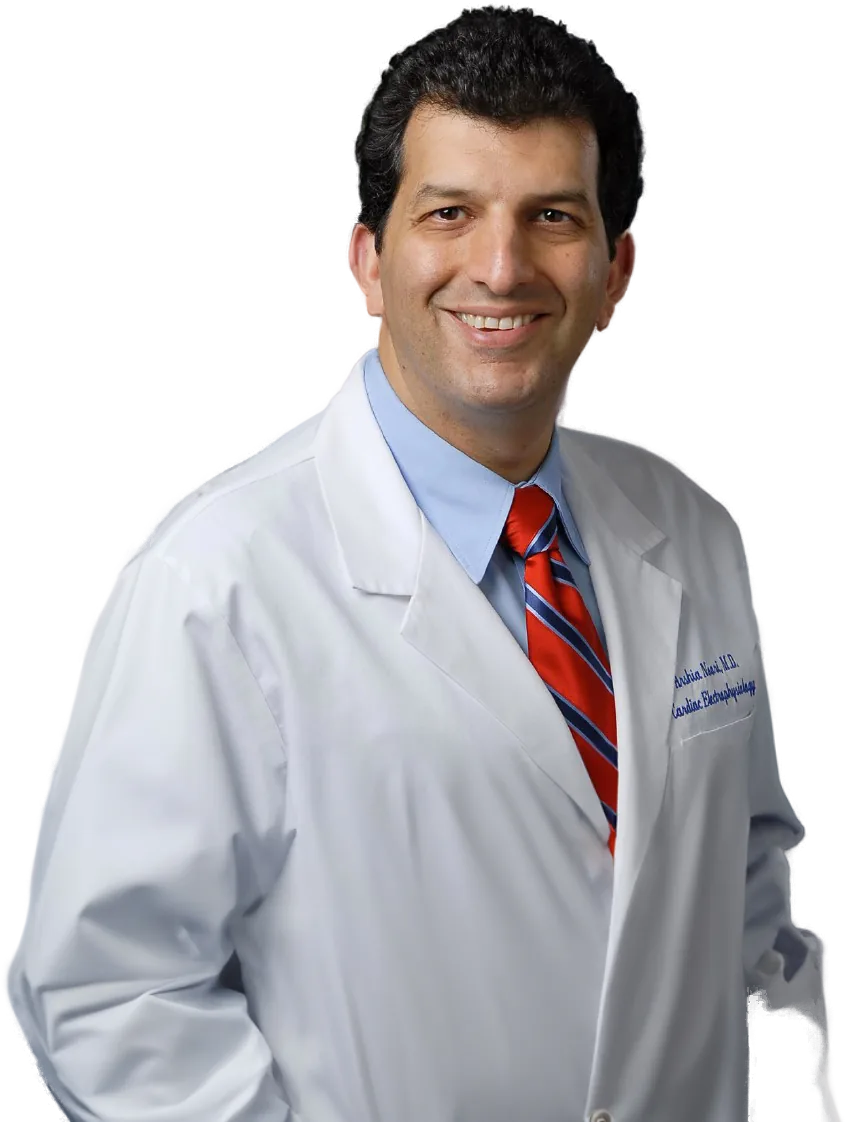
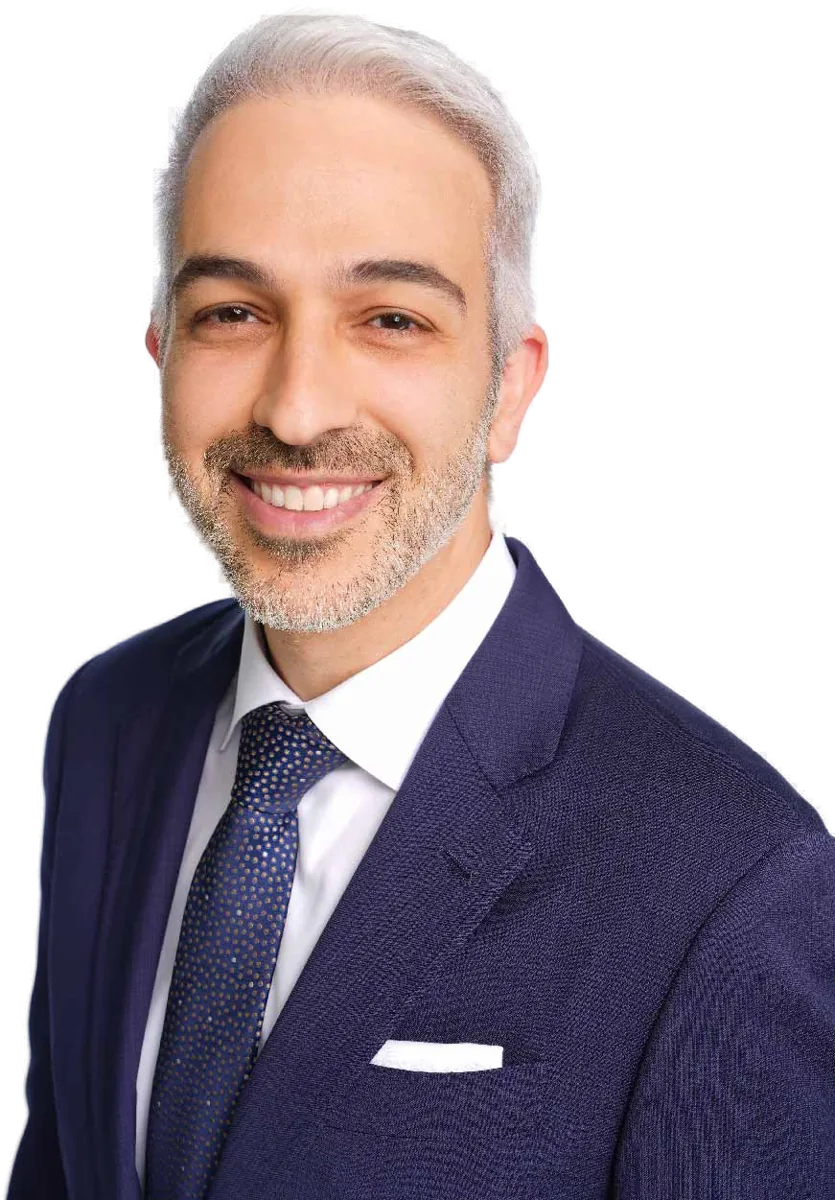
The electrophysiologist who explains why an ICD is recommended is the one who implants it, reviews your remote reports and talks with you after any shock.
- Fellowship-trained in cardiac electrophysiology
- Plain answers about shocks and daily life
- Device reviews with the same physician
How an ICD implant works
Assessing your risk
We review heart function, rhythm history and family history to judge your cardiac arrest risk.
Choosing the ICD type
We discuss transvenous or subcutaneous ICDs, and whether you also need pacing.
The implant
The device is placed under the skin of the chest with numbing medicine and sedation or anesthesia.
Monitoring for life
Remote reports and office checks keep your care team informed about your device and rhythm.
An ICD may be a good fit if
- You have survived a cardiac arrest
- Your heart pumps weakly despite treatment
- You have an inherited high-risk rhythm condition
Other options we’ll discuss
Understanding ICDs
What an ICD does
An implantable cardioverter defibrillator (ICD) is a small device placed under the skin. It watches every heartbeat. If it detects a dangerously fast rhythm from the lower chambers, such as ventricular tachycardia or ventricular fibrillation, it treats it within seconds.
Many ICDs first try rapid, painless pacing to interrupt the rhythm. If that does not work, or the rhythm is very fast, the ICD delivers a shock to reset the heart. Most ICDs can also act as a pacemaker if the heart beats too slowly.
Who may benefit
ICDs are recommended for people who have survived a cardiac arrest or a dangerous ventricular rhythm. They are also used to prevent a first event in people at high risk, such as those with a weakened heart muscle from heart failure or cardiomyopathy that has not improved with treatment.
Some inherited conditions, such as long QT syndrome and certain cardiomyopathies, can also raise risk. Our page on sudden cardiac arrest risk explains how that risk is assessed.
An ICD is a big decision, and it is normal to have questions or mixed feelings. Your physician will explain why one is recommended, what it can and cannot do, and what life with it looks like. Bringing a family member to that conversation often helps.
Types of ICD
A transvenous ICD uses a lead passed through a vein into the heart, much like a pacemaker. It can also pace the heart for slow rhythms and use painless pacing to stop some fast ones.
A subcutaneous ICD sits under the skin along the side of the chest, with a lead under the skin beside the breastbone. Nothing is placed inside the heart or veins. It suits some people well but cannot provide ongoing pacing. If you also have heart failure with an electrical delay, a CRT device with a defibrillator may be considered.
The implant and recovery
The procedure is done in the electrophysiology lab with numbing medicine and sedation, or sometimes general anesthesia. Most people leave the same day or after a single night in hospital.
You may need to limit arm movement on the device side for a few weeks. Driving rules after an ICD depend on why it was placed and whether you receive shocks. Our guide on driving with an ICD covers the basics, and your physician will advise you directly.
What a shock feels like
A shock is brief, lasting a second. People often describe it as a sudden, strong thump or kick in the chest. It can be startling, but it means the device is doing its job.
Many people with an ICD never receive a shock, and some receive only pacing treatments they do not feel. Our guide on what an ICD shock feels like goes into more detail.
Feeling anxious after a shock is common and understandable. Talking about it with your physician, and knowing exactly what to do if it happens again, helps many people feel more in control.
What to do after a shock
Shocks are handled by your care team. If you receive one shock and feel well afterward, sit down, rest and contact our office so the team can review your device recording and decide on next steps.
Call 911 if you receive more than one shock in a short time, if you lose consciousness or if you have chest pain, severe shortness of breath or feel unwell after a shock. Tell family members what to do as well.
Follow-up and risks
Your ICD is checked in the office and through remote monitoring. Reports show rhythm events, battery life and lead function. Settings can be adjusted to reduce unneeded shocks. If your remote monitor sends an alert, our team reviews it and contacts you when a change is needed. Keep your home monitor plugged in near where you sleep so reports can be sent on schedule.
Risks of the implant include bleeding, infection, lead problems and, rarely, a collapsed lung or injury to the heart. An ICD can occasionally deliver a shock that was not needed. Your physician reviews these risks with you before you decide.
Questions about ICDs
Does an ICD stop the rhythm problem from happening?
No. An ICD treats dangerous rhythms when they occur but does not prevent them from starting. Medicines or VT ablation may be used alongside the device to reduce episodes.
Will I be shocked often?
Many people never receive a shock. How often treatment happens depends on your heart and your device settings. Your physician programs the ICD carefully and reviews any event with you.
Is a shock dangerous to people touching me?
A person touching you during a shock may feel a mild tingle, but it is not harmful to them. Family members can safely help you sit or lie down.
How is an ICD different from a pacemaker?
A pacemaker treats a heart that beats too slowly. An ICD watches for dangerously fast rhythms and can shock the heart, and most ICDs can pace too. Our pacemaker vs ICD guide compares them.
Can I live a normal life with an ICD?
Most people return to work, travel and many activities once healed. Some limits apply, especially around driving after shocks and contact sports. Your physician will give advice that fits your situation.